
Enter any Zara store, and you will not fail to notice something immediately: the brand does not seem like a typical fast fashion brand. It appears well-edited, carefully selected, and surprisingly expensive considering the cost. That’s not accidental; that’s the Zara marketing strategy at work.
This case study dissects how Zara has created a multibillion-dollar company with little advertising, fast design cycles, and a business model that shoppers are oblivious to. If you’re researching the case study of Zara, exploring the Zara marketing mix, or examining the business strategy of Zara, this guide gives you everything in one place.
How Zara Became a Global Fashion Machine?
One thing counts before getting into the strategy, and that is Zara is not successful because it makes clothes fast. It is winning because it has a better grasp of the shopper’s behavior as compared to its competitors.
The whole business is set to respond to one question:
What is the speed at which we can convert customer preferences into products that they desire to purchase immediately?
This is the lens that influences how Zara markets itself, prices, brands, and even the layout of their stores.
The Core Zara Marketing Strategy
The heart of the Zara marketing strategy is speed, scarcity, and a premium shopping experience without premium prices. Zara does not emphasize heavy advertising or celebrity partnerships but rather creates desire within the store.
This is how the brand takes that off.
Scarcity Creates Urgency
The Zara brand publishes new designs every week and maintains a low inventory level. Shoppers purchase instantly when they are aware that the products will not be replenished.
This tactic reduces:
- Overproduction
- Inventory waste
- Discount dependency
And it increases:
- Full-price purchases
- Store visits
- Brand buzz
Stores are the Primary Zara Marketing Channel
Zara does not spend much money on advertisements, unlike other fashion brands. Instead, it invests in:
- Store locations with high traffic.
- Elegant interiors
- Gallery-like displays
Individuals take pictures of shops, post clothes on TikTok, and essentially do free advertising.
Data Drives Design
Designers receive real-time feedback sent by store managers and digital channels.
This gives Zara clarity on:
- What customers touched
- What customers tried on
- What customers rejected
- What sold instantly
Information is the secret mechanism of any collection.
Zara Business Strategy: The Business Model of Marketing
Many brands copy Zara’s style, but few succeed because they don’t mirror the Zara business strategy that powers the marketing.
Fast Fashion the Other Way
Instead of moving to distant locations, Zara maintains a large part of the production close to its headquarters. This comes at the cost of cheaper labor in favor of quicker turnaround, a tactic that allows Zara to re-invent collections on the fly.
A Tight Feedback Loop
Design – Produce – Retail – Customer Response – Redesign.
This cycle is a weekly cycle rather than a seasonal cycle.
No Seasonal Mindset
When competitors consider Spring/Summer or Fall/Winter, Zara considers micro-collections. This aspect of flexibility ensures that customers keep coming back to check out what is new.
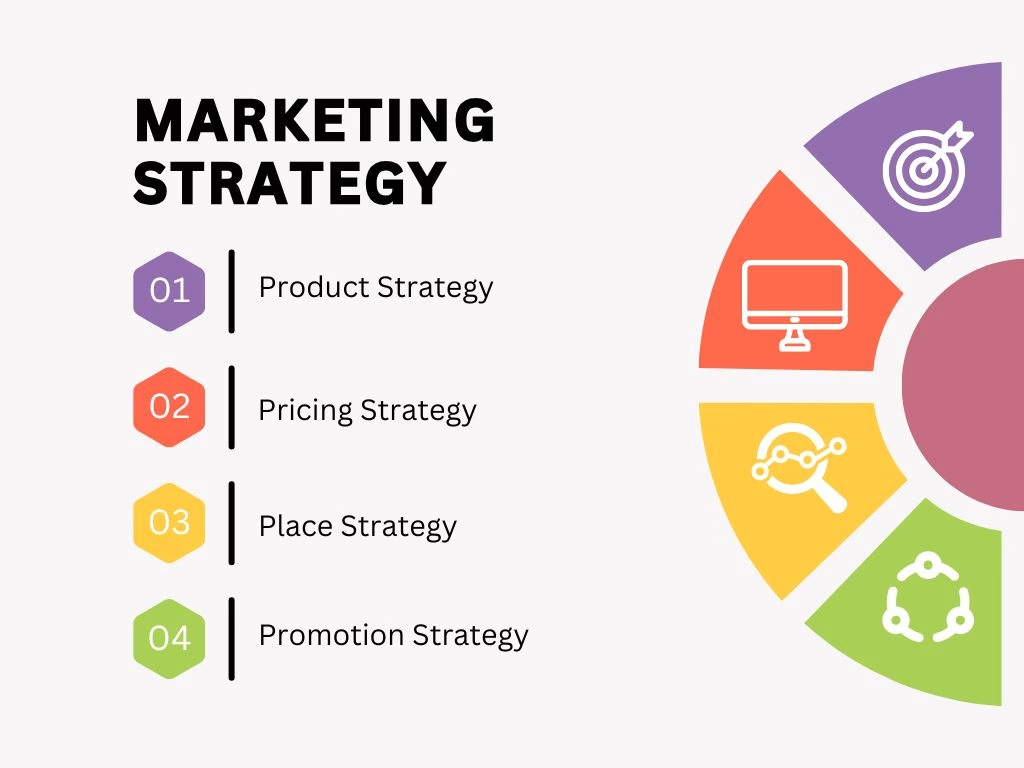
Zara Marketing Mix (4Ps Breakdown)
The Zara marketing mix shows how each part of the business contributes to its dominance.
Product Strategy
The collections of Zara are couture-inspired but wearable due to:
- Fast trend adaptation
- Limited runs
- High-frequency variety
- Higher quality at low costs.
Pieces are deliberately minimalistic, which makes the brand have a classic, high-end touch.
Pricing Strategy (Zara Pricing Strategy)
The pricing strategy of Zara is at an opportune point of affordable luxury.
Key features:
- Prices are a bit above fast fashion competitors.
- Value is still perceived to be premium.
- Psychological pricing ensures exclusivity.
- Minimum discounting to save brand image.
Zara does not lower prices often unless it must clear inventory- it creates the impression that its clothes do not require discounts to sell.
Place Strategy
Status is expressed only by the locations of the stores. Zara intentionally chooses:
- Iconic shopping districts
- Neighborhood corners of high income.
- Mall entrances
Its stores do not seem to be cheap fashion. They are like fashionable houses.
Promotion Strategy
Zara hardly engages in paid advertising.
Its largest promotion mediums are:
- Visual merchandising
- Social media virality
- Word-of-mouth and UGC
- Weekly new arrivals email highlights.
This is an unspoken approach that makes the brand stand out in a crowded market.
Zara Branding Strategy: Subtle, Minimal, and Premium
Most of the fast-fashion brands scream about their discounts, whereas Zara whispers, as whispering is unique.
Brand Identity Anchors
- Elegant typography
- Editorial photography of high contrast.
- Clean color palette
- Refined in-store experience.
Zara acts as a luxury brand, and consumers react to it.
Minimalist Branding, Maximal Impact
Zara does not overbrand the product, making it the hero.
Customers do not purchase Zara due to logos; they purchase it due to aesthetics.
Zara Marketing Campaigns: Editorial, Artistic, and High-Fashion
The marketing campaigns of Zara do not resemble fast fashion promotion.
They are as though artistic editorials taken in Vogue.
Significant Campaign Direction
- Zara SRPLS – capsule is launched with military-inspired silhouettes.
- Zara Atelier – exclusive, bespoke workmanship.
- Join Life – materials and production sustainability.
- Seasonal Editorial Campaigns – high-end photography, dramatic styling.
Campaigns can be used to tell stories, create moods, and build visual identities, as opposed to loud promotions.
Why This Works
The campaigns made by Zara raise its brand image above its price bracket, giving it the image of a luxury brand that is affordable.
Zara Marketing Strategy Plan: How Everything Connects
If you break down the Zara marketing strategy plan, it functions like a continuous cycle designed to keep customers coming back.
Pull Customers into Stores
- New arrivals every week
- Limited quantities
- Sleek store layouts = more foot traffic
Keep Them Browsing
Sensory design and curated product flow promote exploration.
Make Them Buy Instantly
The fear of losing the item is a reason to make faster buying choices.
Encourage Repeat Visits
Zara is a weekly affair with new stock being received regularly.
This plan is not written on a billboard; it is integrated into each aspect of the experience.
Case Study of Zara: Why the Strategy Works
You can’t analyze a case study of Zara without acknowledging the emotional psychology behind its success.
Shoppers Feel Special
The small inventory renders every purchase distinct.
The Brand Feels Expensive
But the prices remain affordable.
The Collections are Fast and Fresh
The customers never want the same thing.
The Stores are Boutique-like
No fast fashion that is discount-driven.
The Business Is a Mover, not a Trendsetter
It should be trend-setting and not trend-following at Zara.
This combination makes Zara a hybrid: high-end in terms of experience, quick in terms of speed, and low-end in terms of price.
What Businesses Can Learn from Zara?
The Zara marketing strategy has some lessons for startups, retailers, and marketers:
- Perfection is less important than speed.
Launch fast, adapt faster.
- Your marketing is your product experience.
When your product is good, you need not spend a lot on advertisements.
- Scarcity drives demand.
Limited drops create hype.
- Data beats intuition.
Decisions should be based on real customer behavior.
- Branding does not have to be noisy.
Less is more branding with high visuals that generate recognition.
Conclusion
The Zara marketing strategy shows that a company does not have to do loud advertising to conquer an industry. With its emphasis on fast turnover of products, scarcity-driven demand, positioning of the premium stores, and a data-driven design loop, Zara has created an image that is both fast and stylish. The brand acts as a luxury brand but prices fast fashion, which offers shoppers a feeling of exclusivity without financial strain.
Its campaigns are editorial, its shops are curated, and its business model operates on real-time customer intelligence. Such a combination is very difficult to imitate. One thing is evident in this case study: Zara is winning because it transforms marketing into an experience- not a message.
FAQs
1. What is the core Zara marketing strategy?
Zara emphasizes quick manufacturing, small stocks, high-end store experiences, and information-driven designs rather than intensive advertising or celebrity promotion.
2. Why does Zara have repeat customers?
The regular arrival of new products weekly, small numbers, and trend collections generates a sense of urgency, compelling customers to keep going to the stores to see new things.
3. Why does Zara not invest heavily in advertising?
Zara uses product attractiveness, store format, and buzz on social media, which means that the company does not need to conduct extensive paid advertising campaigns.
4. Why is the pricing strategy of Zara effective?
Affordable luxury pricing provides the customer with high-end fashion at affordable prices without the need to have continuous discounts or markdown pressure.
5. What is the role of data in the business strategy of Zara?
Design decisions are made based on real-time customer feedback and sales trends to enable Zara to create trending items in a short time and minimize unsold stock.