
A strong influencer marketing plan is now one of the most reliable ways for brands to win trust and attention online. Individuals are now not interested in slick advertisements, but they desire sincere voices, narratives they can identify with, and creators who feel like friends. It is that change that has made influencer content a major element in the digital marketing budgets of most industries.
Before you jump into influencer marketing campaigns and tools, it helps to understand what influencer marketing means in plain terms. At its core, influencer marketing uses the credibility of people who already have their audience’s attention.
Creators can influence purchase decisions more quickly than conventional advertising, whether they are reviewing products, sharing routines, or even starting conversations on social media.
The rise in influencer marketing on YouTube, Instagram, and TikTok shows how much consumers rely on creators for guidance. One suggestion by the right creator can work better than a complete ad campaign, provided that the strategy is evident. A 2023 study found 69% of consumers trust influencers more than brands, significantly increasing purchase consideration and engagement rates online.
This article breaks down everything from influencer marketing types to campaign examples, tools, benefits, and the challenges brands often overlook. Every section leads you to campaigns that are authentic and not imposed, and provide quantifiable outcomes.
What Influencer Marketing Really Means Today?
A lot of marketers go in search of an influencer marketing definition that is straightforward, but the concept is more than that. Influencer marketing strategy is a partnership between brands and people who have built trust with a specific audience. The content of these creators shapes opinions, purchasing behavior, and trends.
There are various levels of influencers:
- Large Influencers: Celebrities or extremely large creators with more than a million followers.
- Medium Influencers: 100k -1M followers; good reach.
- Small Influencers: 10k -100k followers; high involvement and niche.
- Micro Influencers: Less than 10k followers; very real and community-based.
Micro-influencers (10K–50K) deliver 1.81% engagement, outperforming mid-tier influencers by 46%, according to platform benchmarking reports across industries.
Modern influencer marketing strategy goes beyond posting a single product photo. It may include storytelling, reviews, tutorials, live demos, collaborations, and even co-creation of products. Influencers create discussions in the environment where your audience already spends time, particularly on Instagram, TikTok, and YouTube.
Why Influencer Marketing Works So Well?
Consumers are also choosier regarding what they believe. The traditional advertisements seem far away, whereas the influencer content seems to be delivered by a person whom the audience recognizes personally.
Here are why influencer marketing benefits brands of all sizes:
- Reality: The followers will be involved because they have faith in the view of the influencer.
- Social proof: When a person who is respected likes a product, people pay attention.
- Greater involvement: Influencers usually win the brand accounts by a wide margin.
- Diversity of content: Influencers are aware of what works, whether it is unboxing videos or reels.
- Efficiency: In most brands, creators are more effective than paid ads.
With a solid influencer marketing strategy, brands can use social proof at scale while staying aligned with their goals.
How to Build an Influencer Marketing Strategy?
It is not just a matter of selecting a person with a large following to make a winning plan. Considerate planning aligns your campaign to your brand vision, audience, and desired outcome.
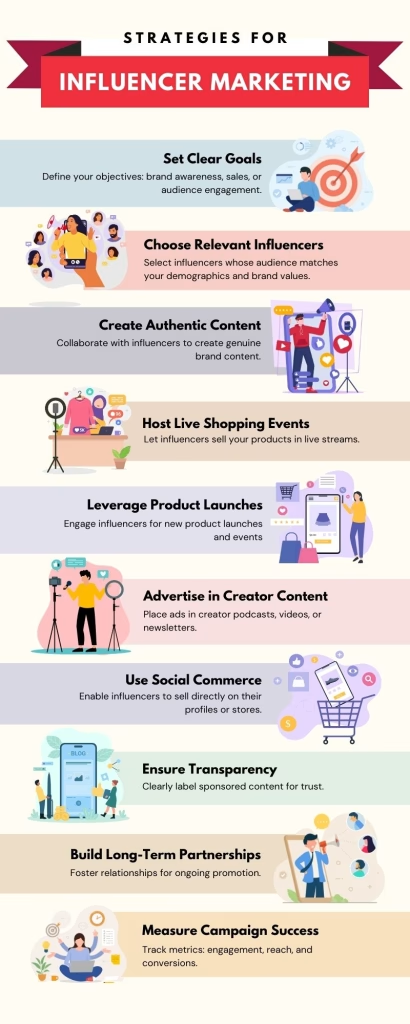
These are the steps to construct an influencer marketing strategy:
1. Define Clear Goals
The first thing to do is to determine what you want the campaign to accomplish. Brands often focus on:
- Brand awareness
- Community engagement
- Lead generation
- Sales or conversions
- Creation of content to be repurposed.
An ambiguous objective, such as having more followers, is no good. Rather, specify the goals like increasing TikTok engagement by 20 percent or making 1,000 clicks to the landing page.
Between 2020 and 2021, TikTok influencer adoption among US marketers rose from 36% to 42%, reflecting rapid platform growth momentum.
2. Know Your Target Audience
Even the most influential influencer cannot assist in case his or her audience is not your target customer. Study:
- Age, gender, location
- Values and interests
- Buying habits
- Platform preferences
You should be strategic with the places where your audience spends their time. Indicatively, beauty brands tend to be drawn to YouTube since tutorials are more effective than static posts.
3. Set a Realistic Budget
Budgets differ depending on the level of influence, size of campaign, and platforms. Include:
- Influencer fees
- Product costs
- Production expenses
- Paid amplification
- Tracking tools
An intelligent budget allows you to experiment and refine rather than spending money on the wrong partners.
4. Select the Right Influencers
The influencer must be the right fit for the brand, rather than the other way around. Look for:
- Audience alignment
- High engagement rates
- Consistent quality
- Tone that matches your brand
- A clear history of partnership.
Aspire, Upfluence, or CreatorIQ are tools that assist brands in analyzing the data on their audience and identifying trustworthy creators.
5. Develop a Natural Campaign Idea
The influencer should have a voice that is integrated with the message of the campaign. To achieve this:
- Guidelines, not scripts.
- Share key product points
- Encourage storytelling
- Give examples of past influencer marketing
- Allow creative freedom
Artists understand what is appealing to their society. Excessive control renders the content to be staged.
6. Collaborate Thoughtfully
You may be dealing with one artist or fifty artists, but harmonious cooperation safeguards your reputation. Key steps include:
- Personal outreach
- Clear deliverable lists
- Fair timelines
- Agreements that specify rights of use, payments, and disclosures.
- Regular communication with no micromanagement.
Influencers perform their best when they are respected.
7. Implement and Monitor Performance
The success of the influencer marketing campaign relies on performance and evaluation. Track KPIs such as:
- Reach
- Impressions
- Engagement rate
- Click-through rate
- Sales or sign-ups
- Cost per engagement
Analytics are not reports, but they lead your further strategy and indicate which creators should be long-term partners.

Influencer Marketing Types
Influencer marketing strategy varies by goal and format. Some of the effective methods entail:
Product Reviews
Influencers tell genuine stories, which makes new followers have confidence in your brand.
Giveaways and Contests
Good to increase visibility and interaction.
Affiliate Marketing
The influencers receive a commission on every sale they make.
Brand Ambassadorships
Relationships that are long-term and create regular recognition.
UGC Collaboration
Content creators produce content that is used by your brand in advertisements and newsletters.
All types are useful, and you need to combine them to promote your general strategy.
Real Influencer Marketing Campaign Examples
There are some practical examples of the operation of influencer marketing campaigns.
Example 1: Skincare Startups
On TikTok, micro-influencers demonstrate their morning routines, receiving thousands of comments and doubling their sales within a month.
Example 2: Fitness Brands
Moviemakers shoot 30-challenge videos. Their development creates confidence and leads to high conversion.
Example 3: Food & Beverage
Influencer marketing strategy shines here; recipe videos and taste tests quickly go viral.
These examples demonstrate that performance does not depend only on the number of followers; it is based on genuineness, topicality, and a clever approach. Research reports influencer campaigns can yield up to 11x ROI compared with banner ads, driven by higher click-through and conversions.
Influencer Marketing Tools You’ll Actually Use
You don’t need dozens of tools. A few reliable ones include:
- Aspire – Search and Campaign Management.
- CreatorIQ Advanced analytics, larger brands.
- Upfluence Influencer discovery and CRM.
- HypeAuditor – Audience authenticity checks.
- Canva & CapCut – fast design and edits.
- Google Analytics – Monitor referral conversions.
The correct tools will save time, minimize guesswork, and keep your campaign on track.
Influencer Marketing Benefits Brands Shouldn’t Overlook
Influencer campaigns provide:
- Stronger brand credibility
- Quick access compared to organic posts.
- More engaging content
- Higher conversion rates
- Long-term relationships with customers.
- First-hand feedback from creators and their communities.
These influencer marketing benefits are the most efficient investments today.
Influencer Marketing Challenges
The influencer marketing strategy has its impediments. One report indicates that for every $1 spent on influencer marketing, brands saw roughly $5.78 in return, underlining high ROI potential.
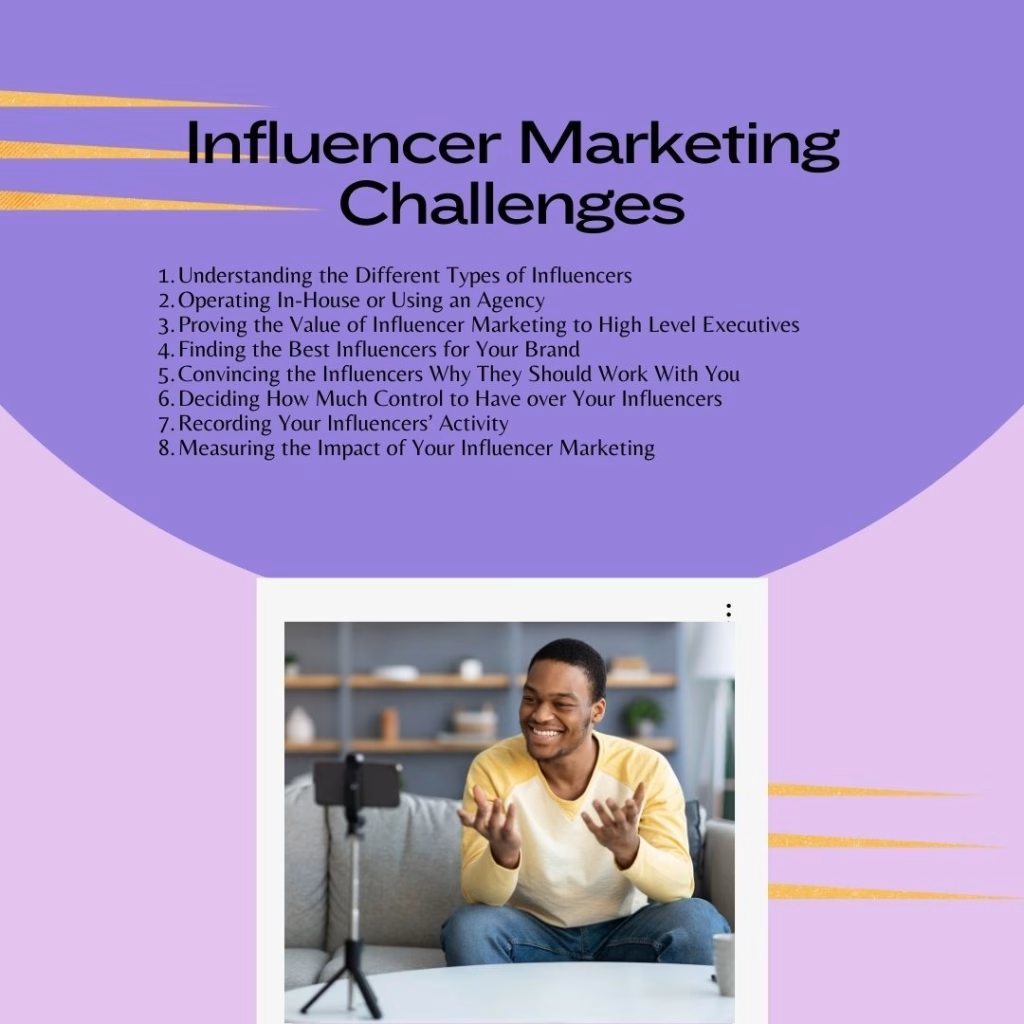
Common challenges include:
- True, not artificial, interaction.
- Keeping brand safety
- Tracking ROI accurately
- Striking a balance between liberty and rules.
- Dealing with contracts and disclosure regulations.
- Going big without losing authenticity.
These early acknowledgements assist you in planning better and avoiding expensive mistakes.
Conclusion
A powerful influencer marketing strategy lets brands connect with customers in ways ads alone can’t. When you match the correct creators with the correct message and platform, your brand will be included in the discussions that people will be interested in participating in.
If you understand influencer marketing, choose the right creators, and measure results consistently, your campaigns will improve with each collaboration. It is worth it in the long run whether you invest in YouTube, create reach on social media, or roll out a full-scale ambassador program.
FAQs
1. What is influencer marketing?
Influencer marketing is a plan where brands work with trusted creators who promote products through authentic content to shape audience decisions.
2. Why is influencer marketing effective?
It is effective due to the fact that the opinions expressed by creators are trusted by the audience, and branded recommendations become more relatable, credible, and engaging than traditional advertisements.
3. What is the best way to select the right influencer?
Select influencers that align with your brand objectives and target audience in terms of their audience, style, engagement, and values.
4. What platforms work best for influencer marketing?
Instagram, TikTok Tok and YouTube are the most effective since they are highly engaged, have a variety of formats, and audiences that follow recommendations of creators.
5. How do you measure influencer marketing success?
Measure track reach, engagement, clicks, conversions, and cost per engagement to know how to perform and make future strategies better.