

Every successful brand on social media has one thing in common: a plan. In fact, brands with documented social media strategies saw 313% higher engagement rates than those without structured planning.
A social media strategy plan isn’t just about posting often; it’s about posting with purpose. It gives your brand direction, helps you stay consistent, and turns your online presence into real results.
Think of it as your blueprint for how to connect, engage, and grow. A solid social media strategy defines your goals, your audience, and the kind of content that fits both. Whether you’re running a startup or managing a growing business, knowing how to create a social media marketing plan can make every post count.
This guide walks you through the process step by step from setting goals to choosing platforms, so you can build a strategy that actually works.
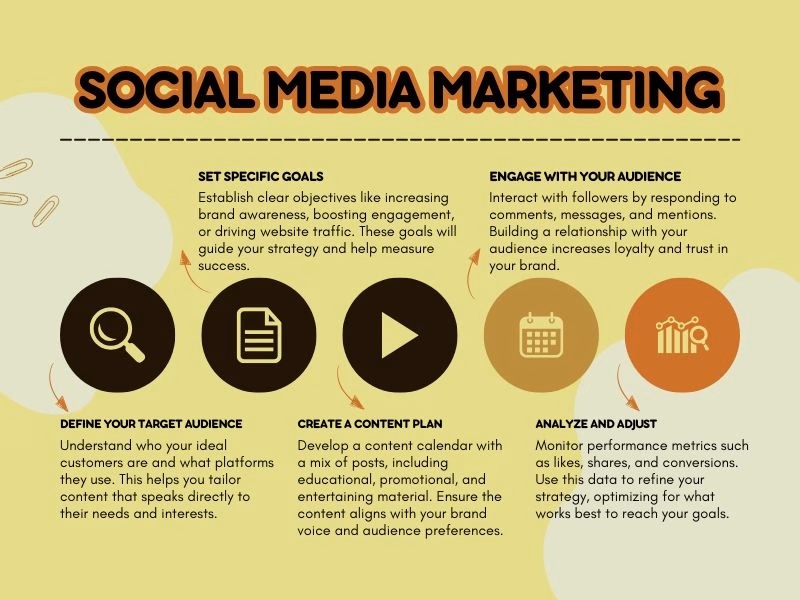
Step 1: Define Your Goals and Objectives
A strong social media strategy plan always starts with clear goals. Without knowing what you want to achieve, it’s impossible to measure success or know what’s working.
Your social media strategy goals should tie directly to your overall digital marketing strategy. For example, if your business wants to increase sales, your social media goal might be to drive more traffic to product pages. If you’re building brand awareness, the goal could be to grow your reach and engagement.
Here’s how to set meaningful goals that guide your social media strategy:
- Be specific: “Increase website visits by 20% in three months.”
- Make them measurable: Use analytics to track reach, clicks, and conversions.
- Keep them realistic: Ambitious but achievable targets keep motivation high.
- Align them with business growth: Every post should serve a purpose.
Once your goals are clear, your social media strategy plan becomes easier to make every decision, from content type to posting schedule, that connects back to these objectives. Brands aligning content with clear goals increased engagement by 48% across platforms like Instagram and X.
Step 2: Understand Your Audience
A successful social media strategy plan is built around people, the ones you’re trying to reach, inspire, and convert. Before creating content, you need to understand who they are and what they care about.
Start by asking simple questions:
- Who are your ideal followers?
- What problems are they trying to solve?
- Which platforms do they use most?
- When are they most active online?
This is the heart of creating a social media strategy that works. Use analytics tools like Meta Insights, LinkedIn Analytics, or TikTok Business Suite to uncover real data about your audience, such as their age, location, and interests.
Once you know your audience, your messaging becomes sharper and your visuals are more relatable. For startups, this step is crucial. A social media strategy for startups that understands its audience builds trust faster and wastes less time guessing what to post.
Step 3: Choose the Right Platforms
Every social media strategy plan works best when it focuses on the right platforms. Brands using Facebook, Instagram, and LinkedIn strategically saw 29% more customer interaction.
Trying to post everywhere often leads to burnout and scattered results. The goal is to be intentional, like showing up where your audience already spends their time.
When choosing the right channels for your social media strategy, keep these points in mind:
- Know where your audience lives:
Use insights and analytics to see which platforms your target audience prefers. Younger audiences often lean toward TikTok and Instagram, while professionals engage more on LinkedIn.
- Match platforms to your goals:
- Instagram & TikTok: Great visuals, brand storytelling, and community building.
- LinkedIn: Perfect for B2B marketing, thought leadership, and professional networking.
- YouTube: Ideal for tutorials, reviews, and long-form storytelling.
- X (Twitter): Best for quick updates, trends, and conversations.
- Be realistic about resources:
It’s better to manage two platforms well than five inconsistently. Quality beats quantity in any digital marketing strategy.
When creating a social media strategy, treat each platform as a unique space. Customize your content format, tone, and posting frequency to fit each one. This ensures your message connects naturally and keeps your brand consistent everywhere.
Step 4: Develop Your Content Strategy
Now that your goals and platforms are set, it’s time to focus on what truly captures attention and content. A social media strategy plan is only as strong as the stories and ideas it shares.
Thoughtful content turns casual scrollers into active followers and loyal customers. 74% of marketers say thoughtful content nurtures leads and builds loyalty, up 11% from 2023.
Your social media strategy should outline the kind of content you’ll create, the message behind it, and how it supports your overall brand voice. The aim is to post with clarity and purpose, not just fill out a feed.
To build an effective content foundation:
- Identify your content pillars:
Pick three to five themes that define your brand’s personality. Examples might include education, lifestyle, customer stories, or product updates. These themes keep your posts balanced and meaningful.
- Experiment with diverse formats:
Short videos, carousels, stories, and polls all work differently. Mixing them keeps your feed dynamic and helps reach people in multiple ways.
- Keep your tone consistent:
Whether it’s friendly, informative, or playful, consistency builds recognition and trust. Pair that tone with cohesive visuals with colors, fonts, and layouts that reflect your identity.
- Organize with a content calendar:
Plan your posts in advance. A calendar helps track what’s coming next and ensures you stay aligned with campaigns, launches, or key dates.
- Focus on value over volume:
Every post should offer something useful. Maybe a tip, a thought, or a moment that resonates. That’s what earns attention and keeps people coming back.
In a well-crafted social media strategy plan, content isn’t random; it’s intentional storytelling that aligns with your digital marketing strategy and moves your audience closer to action.
Step 5: Plan Your Posting Schedule
A strong social media strategy plan isn’t just about what you post; timing plays a big role, too. Posting consistently builds trust, keeps your brand visible, and trains your audience to expect new content from you.
Instead of guessing when to post, use data to guide your schedule. Every platform has peak engagement times, and your analytics can reveal when your followers are most active.
To create a balanced and manageable posting plan:
- Set a realistic frequency:
Posting every day isn’t always necessary. It’s better to post three quality updates a week than seven rushed ones. Choose a rhythm you can maintain. - Time your posts wisely:
Early mornings, lunch hours, or evenings often perform best, but test what works for your audience. Most scheduling tools show when your followers are online. - Use automation tools:
Platforms like Buffer, Later, or Hootsuite can help you plan ahead. They ensure you stay consistent, even during busy weeks. - Batch your content:
Create and schedule posts in bulk. This saves time, reduces stress, and keeps your social media strategy organized. - Review performance regularly:
Watch which days or times drive the most engagement. Over time, you’ll refine your schedule and see patterns that improve results.
In a well-structured social media strategy format, timing supports your goals as much as the content itself. Consistency turns effort into momentum, and momentum is what keeps your online presence growing.
Step 6: Engage and Build Community
Posting great content is only half the work, while real growth comes from connection. A strong social media strategy plan should always include time for genuine engagement. This is how you turn passive followers into active supporters of your brand.
Social media isn’t a one-way street. It’s a conversation. When you reply to comments, answer questions, or share user posts, you make people feel seen and valued. Brands that reply to comments see 43% higher engagement and 28% more customer retention. That sense of connection is what builds loyalty over time.
Here’s how to strengthen community engagement within your social media strategy:
- Respond quickly and thoughtfully:
Acknowledge comments, mentions, and messages. Fast, friendly responses make a lasting impression.
- Encourage interaction:
Use polls, quizzes, questions, and live sessions to spark dialogue. People love being part of a brand’s story.
- Feature your audience:
Repost user-generated content or customer stories. It builds trust and adds authenticity to your feed.
- Collaborate with creators or partners:
Influencer shoutouts and brand collaborations can help you reach new, relevant audiences.
- Show personality:
Don’t sound robotic. A touch of humor, gratitude, or warmth can make your brand feel more human.
When creating a social media strategy, remember engagement drives algorithms and relationships. The more your audience interacts, the stronger your visibility and credibility become.
Building a community doesn’t happen overnight, but consistent engagement turns your social media pages into active spaces where people want to connect.
Step 7: Track, Measure, and Optimize
Even the best social media strategy plan needs fine-tuning. Tracking performance helps you see what’s working, what’s not, and where to improve. Without measurement, you’re simply guessing, and guessing rarely leads to growth.
Analytics turn your efforts into insight. Companies applying social media analytics saw 41% better audience targeting and engagement. They reveal which content resonates most when your audience engages, and how your actions support larger business goals within your digital marketing strategy.
To measure success effectively:
- Monitor key metrics:
Keep an eye on engagement rate, reach, impressions, website clicks, and follower growth. These reveal how your strategy is performing.
- Use analytics tools:
Platforms like Meta Insights, Google Analytics, or Sprout Social offer detailed reports that simplify tracking.
- Compare results to your goals:
Go back to the objectives you defined earlier. Are you moving closer to them? If not, adjust your approach.
- Test and learn:
Experiment with post types, captions, and times. Small tweaks often lead to big improvements.
- Refine regularly:
Review your performance monthly or quarterly. Optimization is an ongoing process, not a one-time task.
When creating a social media strategy, remember that growth comes from reflection and adjustment. By tracking results and learning from the data, you can make smarter decisions and strengthen your online presence over time.
Common Mistakes to Avoid
Even the most thoughtful social media strategy plan can lose impact if small mistakes go unnoticed. The key is recognizing them early and making quick adjustments.
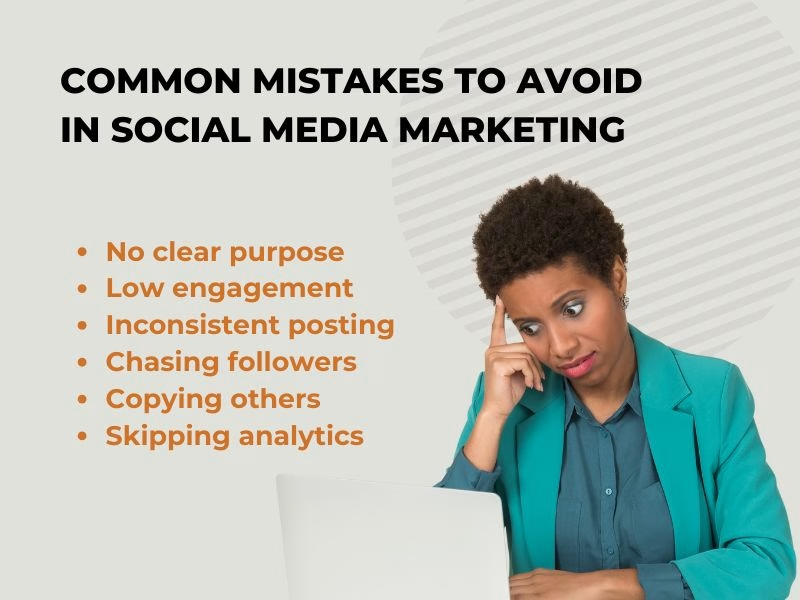
Common pitfalls to watch out for include:
- No clear purpose: Every post should tie back to your goals.
- Low engagement: Don’t just post, respond, and interact.
- Inconsistent posting: Regular updates keep your audience interested.
- Chasing followers: Focus on quality engagement, not just numbers.
- Copying others: Let your brand’s voice guide your content.
- Skipping analytics: Track performance to refine your strategy.
Keeping these in mind helps your social media strategy stay focused, authentic, and effective without wasting effort.
Tools and Resources
A well-organized social media strategy plan becomes easier to manage with the right tools. Platforms with unified dashboards improved workflow efficiency by 39% in teams managing 5+ social accounts. They save time, simplify analytics, and help you stay consistent, especially when handling multiple platforms.
Consider adding these tools to your workflow:
- Scheduling tools: Buffer, Later, or Hootsuite let you plan posts in advance and maintain a steady posting rhythm.
- Design tools: Canva and Adobe Express help create professional visuals that match your brand’s tone.
- Analytics tools: Google Analytics, Sprout Social, or Meta Insights track engagement, clicks, and audience trends.
- Hashtag and trend research: Tools like RiteTag or Flick reveal what’s trending and boost content visibility.
- Project management: Notion, Trello, or Asana keep campaigns organized and aligned with your goals.
Using the right mix of tools ensures your social media strategy runs smoothly and supports your overall digital marketing strategy.
Conclusion
A solid social media strategy plan turns random posting into purposeful action. By setting goals, knowing your audience, and sharing meaningful content, you create consistency that builds trust and results.
Your social media strategy should evolve with your audience and support your broader digital marketing strategy. Small, steady improvements matter more than overnight success.
Start simply, track what works, and refine along the way. With a clear plan and consistent effort, your brand can grow stronger, one post at a time.
FAQs
Yes. With a focused social media strategy plan, small businesses can connect with niche audiences, build loyal communities, and achieve meaningful results without large budgets.
A clear social media strategy plan gives a brand purpose and direction. It helps maintain consistency, track performance, and achieve defined objectives rather than posting without intent.
To create a strong plan, a business should set clear goals, analyze its audience, select the right platforms, plan content, and monitor performance. Regular adjustments keep the strategy effective and relevant.
A strategy should be reviewed every quarter or after major campaigns. Regular evaluation helps brands adapt to new trends, audience behavior, and platform algorithm changes.
An effective social media strategy format typically includes goal setting, audience insights, content pillars, a posting schedule, performance metrics, and review checkpoints.