


If you enjoy languages and want a career that combines skill, culture, and communication, learning how to become a translator could be ideal. Translators do more than convert words; they convey meaning, tone, and context across languages.
Consider a bestselling novel translated for international readers or a legal contract interpreted for a global business deal. A translator ensures that the message remains accurate and culturally relevant. That skill makes translators highly sought after.
The opportunities are broad. Businesses expanding globally, medical researchers sharing findings, and media producers reaching international audiences all rely on translation. Many translators also enjoy remote work and the freedom to choose projects that match their interests.
But how do you become a professional translator? What skills, qualifications, and education are required? This article explains what a translator does, the necessary skills for translators, education and training paths, and steps to build a successful career.
What Does a Translator Actually Do?
Understanding what a translator does is the first step if you want to become a translator. At its core, translation involves converting written text from one language to another while preserving meaning, tone, and cultural context. Translation services accounted for 46.2% of the language-services market share in 2024, per industry analysis.
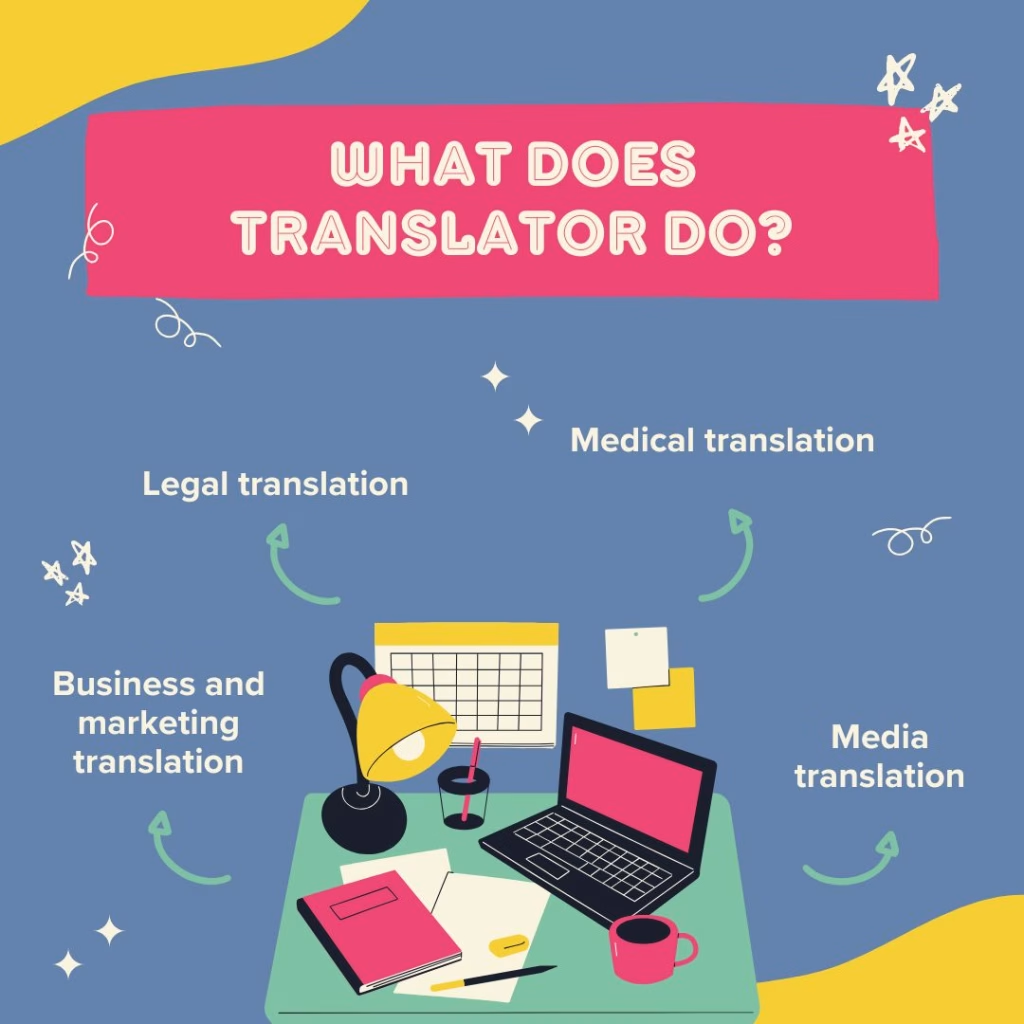
Translators work across many fields. For example:
- Legal translation: contracts, patents, or immigration documents
- Medical translation: research papers, clinical reports, patient instructions
- Business and marketing translation: websites, manuals, advertisements
- Media translation: books, subtitles, articles
It’s important to distinguish translators from interpreters. Translators handle written content, while interpreters work with spoken language in real time. Both roles demand linguistic mastery, but translation emphasizes precision, research, and writing skills.
A successful translator ensures ideas travel across languages without losing clarity. They don’t just translate words; they deliver understanding, reliability, and cultural accuracy. That’s what makes them indispensable in global communication.
Essential Skills to Become a Translator
To become a translator, fluency in multiple languages is just the beginning. Professional translators combine language mastery with cultural awareness, writing skills, and technical expertise.
Key skills for translators include:
- Native-level fluency: Understanding idioms, tone, and regional variations in both source and target languages.
- Strong writing ability: Clear, accurate, and polished writing is essential for every translation.
- Cultural sensitivity: Words carry culture; a translator must adapt messages to resonate with the target audience.
- Subject-matter expertise: Specializing in fields like law, medicine, or technology increases accuracy and credibility.
- Attention to detail: Even one misused word can change the meaning significantly.
- Tech proficiency: Familiarity with CAT tools, terminology databases, and productivity software streamlines work.
By developing these skills, you move from bilingual capability to true professional competency, positioning yourself to become a professional translator clients can trust.
Education and Training to Become a Translator
Many aspiring language professionals wonder about translator education requirements. While a degree isn’t strictly mandatory, formal training can provide credibility, improve skills, and open doors to higher-paying opportunities.
Formal Education
- Bachelor’s degree in languages or translation: Provides a strong foundation in linguistics, writing, and translation techniques.
- Specialized degrees: Fields like law, medicine, or business, combined with language skills, make you highly valuable for niche translations.
Certifications and Credentials
Clients often prefer translators with recognized qualifications. Consider:
- ATA Certification (American Translators Association)
- CIOL Qualifications (Chartered Institute of Linguists, UK)
- University-based translation programs
These credentials aren’t mandatory, but they demonstrate competence and professionalism, especially when seeking freelance or agency work.
Alternative Routes
Even without formal degrees, you can become a translator through:
- Online language courses and specialized MOOCs
- Short-term workshops and practical training
- Self-study combined with hands-on translation projects
The key is to prove you can produce accurate, professional translations. Education enhances credibility, but real-world experience and a strong portfolio often matter even more.
Gaining Experience as a New Translator
Education provides a foundation, but real growth happens when you start translating actual texts. To become a translator, hands-on experience is essential for building credibility and refining your skills. The number of professional translators globally is estimated to exceed 700,000 people.
Practical Ways to Gain Experience
- Volunteer work: Nonprofits and community organizations often need translation for websites, brochures, or documents. These projects build your portfolio while helping others.
- Internships: Agencies and companies may offer entry-level roles where you learn from seasoned translators.
- Freelance platforms: Websites like Upwork, Fiverr, and ProZ allow beginners to take on small projects, collect feedback, and develop a professional reputation.
Building a Portfolio
Even a few well-crafted sample translations can demonstrate your skills. Include diverse types of work, business documents, technical texts, or creative pieces to showcase versatility.
Networking
Join translator associations, attend webinars, and connect with professionals on LinkedIn. Networking can lead to mentorship, referrals, and long-term client relationships.
Every translator starts somewhere. Focus on consistent, accurate work, and gradually, you’ll establish the experience needed to become a professional translator.
How to Specialize as a Translator and Stand Out?
Once you have some experience, specializing can help you become a professional translator and command higher rates. Clients often prefer translators with deep knowledge of a specific field rather than generalists.
Popular Specializations
- Legal translation: contracts, patents, immigration papers
- Medical and scientific translation: research papers, clinical trials, patient instructions
- Technical translation: manuals, software documentation, engineering texts
- Literary translation: novels, poetry, short stories
- Business and marketing translation: websites, advertisements, product localization
Benefits of Specialization
- Higher income: Niche expertise increases demand and pay rates.
- Credibility: Clients trust translators who understand industry-specific terminology.
- Efficiency: Familiarity with field-specific content improves speed and accuracy.
For example, a translator specializing in medical documents will be in demand for clinical trials or pharmaceutical projects. By choosing a niche and showcasing it in your portfolio, you signal to clients: “I’m the translator you need for this field.” Over 70% of translation companies reported rising demand for their services in 2023.
Specialization transforms your skillset from general capability to professional authority, making you more competitive in the translation market.
Tools and Technology Every Translator Should Know
Modern translators rely on technology to improve accuracy, consistency, and productivity. If you want to become a translator who delivers professional results, familiarity with these tools is essential.
CAT (Computer-Assisted Translation) Tools
CAT tools store previous translations in a database, helping maintain consistency and speed. Around 80% of translation agencies use CAT (computer-assisted translation) tools regularly. Popular options include:
- SDL Trados Studio
- MemoQ
- Wordfast
Terminology Management
Glossaries and term bases ensure industry-specific words are translated consistently. For example, a brand may require “client” to appear the same across all documents.
Machine Translation and Post-Editing
AI tools like Google Translate or DeepL can provide first drafts, but professional translators refine the output to ensure accuracy and style. Post-editing machine translations is a growing service that clients request. Neural-machine-translation systems now account for about 61.8% of the translation-services market size.
Productivity Tools
Beyond translation software, tools for writing and organization help streamline work:
- Grammarly or Antidote for polishing text
- Trello or Notion for task management
- Cloud storage (Google Drive, Dropbox) for secure file sharing
Embracing technology doesn’t replace your expertise; it amplifies it. Translators who master these tools work faster, maintain quality, and can handle more complex projects.
Building Your Translator Career
Once you have experience and skills, the next step is shaping your professional path. To become a professional translator, you need to choose how you’ll work, set rates, and establish your reputation.
Career Paths
- Freelancing: Offers flexibility to choose projects, set your schedule, and work with global clients.
- Translation agencies: Provide steady work and often handle client acquisition, letting you focus on translation.
- In-house roles: Companies with international operations may hire full-time translators for consistent work.
Setting Rates
Rates vary by specialization, experience, and complexity. Start modestly if you’re building a portfolio, then increase as you gain credibility and niche expertise. Clear contracts and rate transparency build client trust.
Personal Branding
Creating an online presence helps attract clients:
- LinkedIn profile showcasing experience and specialties
- Portfolio website with sample translations and testimonials
- Active engagement in professional translator forums or associations
Strong branding positions you as a reliable professional. Clients remember and return to translators who demonstrate skill, expertise, and professionalism consistently.
Conclusion
Becoming a translator is both a skill-based and career-driven journey. To become a translator, you combine language mastery, cultural understanding, and professional experience to deliver value across industries.
Start by building strong foundations: develop your skills for translators, complete relevant education or certifications, and gain hands-on experience through volunteering, internships, or freelance projects. Over time, specialize in areas that align with your interests and market demand, use technology to boost efficiency, and maintain a professional online presence.
Every project you complete, every connection you make, and every skill you refine bring you closer to becoming a trusted, professional translator.
Take Action Today
- Begin learning or improving a second language
- Explore translation courses or certifications
- Start a small portfolio with sample translations
- Join translator communities to network and find opportunities
Translation is more than a career; it’s a bridge connecting cultures, ideas, and people. By taking these steps, you can confidently become a professional translator and open doors to a flexible, rewarding global career.
FAQs
1. What does a translator do
A translator converts written text from one language to another while preserving meaning, tone, and context.
2. Do I need a degree to become a translator?
A degree isn’t required, but formal education or certifications improve credibility and job opportunities.
3. Can I freelance as a translator?
Yes, many translators build careers through freelancing, working with clients worldwide.
4. Which tools do professional translators use?
CAT tools, glossaries, machine translation with post-editing, and productivity apps are standard.
5. How can I build a translator portfolio?
Include diverse sample translations, real client work, and any specialized industry projects.