

Therapy is built on trust, connection, and communication. But before someone ever sits in your office or joins a virtual session, they often search online for answers. That’s where content marketing for therapists comes in. It’s not about flashy sales tactics; it’s about educating, supporting, and building genuine relationships with people who might benefit from your services.
When potential clients see your helpful blog posts, thoughtful videos, or supportive social media content, they start to feel a sense of familiarity with you. That connection can make it easier for them to take the next step and reach out. 61% of consumers trust companies offering educational content, according to Demand Metric
, showing therapists gain credibility through consistent, supportive information online.
The challenge?
Many therapists aren’t sure where to start. Should you write about anxiety tips? Share stories on Instagram? Start a newsletter?
This article breaks it down into practical strategies, examples, and ethical considerations that make marketing feel natural without stepping outside the boundaries of professionalism.
Understanding Your Audience
Before creating any content, it’s essential to know who you’re speaking to. Content marketing for therapists works best when it addresses the real needs and concerns of your ideal clients. That means going beyond assumptions and digging into their experiences, challenges, and goals.
Start by defining your ideal client:
- Demographics: Age, location, occupation, and lifestyle. For example, are you focusing on young professionals dealing with workplace stress or parents navigating family dynamics?
- Common challenges: What keeps them awake at night? Anxiety, depression, relationship issues, or career pressure?
- Preferred content types: Some clients may prefer reading blog articles, while others might engage more with social media content for therapists, like short videos or Instagram posts.
A helpful exercise is creating client personas. Give them names, define their goals, and list their struggles. When you have a clear picture of your audience, every blog post, video, or social media update can feel targeted, personal, and relevant.
Finally, remember to respect boundaries. Your content should educate and support, not replace therapy sessions. Maintaining professional and ethical lines builds credibility and ensures your marketing resonates without overstepping.
Core Content Marketing Strategies
Once you know your audience, it’s time to decide how to reach them. For therapists, effective content marketing balances helpful information with professionalism. Here are the strategies that work best:
Blogging
Blogs are a cornerstone of content marketing for therapists. Search engines drive 68% of website traffic, based on BrightEdge research, reinforcing the value of SEO-optimized therapist content.
They let you:
- Explain mental health topics in depth.
- Improve your website’s visibility on Google.
- Position yourself as a trusted expert.
Examples of blog topics include:
- Coping strategies for anxiety or stress
- Tips for navigating relationship challenges
- What to expect in therapy sessions
Use clear, compassionate language, and naturally include your focus keyphrase along with related terms like social media content for therapists when relevant.
Video & Audio Content
Visual and audio formats allow you to reach audiences who prefer quick tips or stories:
- Short videos or reels showing coping strategies, mindfulness exercises, or mental health tips.
- Podcasts or interviews discussing therapy approaches, stress management, or personal growth.
Keep videos professional but approachable. Even 1–2 minute clips on Instagram can engage people without overwhelming them. 72% of customers prefer learning about services via video, per HubSpot, suggesting therapists benefit from short educational clips.
Social Media Presence
Social platforms are essential for building visibility:
- Choose channels that match your audience: Instagram, TikTok, and LinkedIn.
- Share bite-sized insights, graphics, or motivational tips.
- Engage through polls, Q&A, or comments, but maintain clear professional boundaries.
Email Newsletters
Newsletters help nurture relationships over time:
- Provide actionable tips, mental health resources, or upcoming events.
- Include subtle calls-to-action (e.g., “Schedule a consultation” or “Join our online workshop”).
- Consistency is key; regular emails reinforce trust and keep your practice top-of-mind.
When combined, these strategies create a multichannel approach that educates, engages, and guides potential clients toward your services.
Content Types That Work Well for Therapists
Not all content resonates equally with potential clients. For content marketing for therapists, it’s important to focus on formats that educate, inspire, and build trust. Companies publishing blogs receive 55% more site visitors, according to HubSpot, demonstrating how therapist websites grow faster with consistent long-form content.
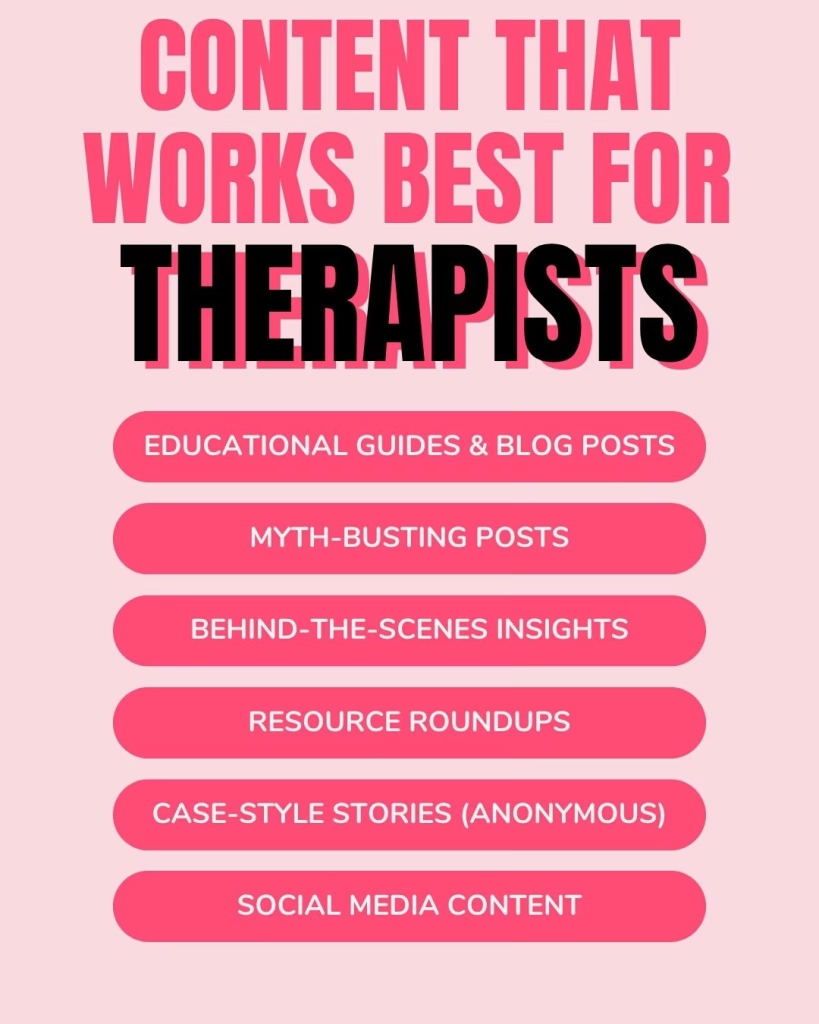
Here are some types that consistently perform well:
Educational Guides and Blog Posts
- Step-by-step articles like “Managing Anxiety Before Bed” or “How to Communicate Effectively in Relationships.”
- Lists, tips, or how-to content that readers can apply immediately.
- Helps establish authority while being genuinely helpful.
Myth-Busting Posts
- Address common misconceptions about therapy or mental health, such as “Therapy Isn’t Just Talking; It’s Problem-Solving Too.”
- Short, shareable social media posts work great here.
Behind-the-Scenes Insights
- Share glimpses into your practice or approach without revealing client details.
- Posts like “A Day in the Life of a Therapist” or “How I Prepare for Sessions” make your practice approachable.
Resource Roundups
- Curate helpful books, apps, or exercises.
- Example: “Top 5 Journaling Apps for Stress Management.”
Case Study–Style Stories
- Use anonymous, generalized examples to illustrate how therapy techniques work.
- Focus on outcomes and strategies rather than personal client details.
Social Media Content for Therapists
- Quick tips, inspirational quotes, reels, or carousel posts that provide value in a bite-sized format.
- Encourage interaction with polls, questions, or prompts.
The key is consistency and relevance. Mix longer-form content like blogs or guides with short, digestible posts on social media. This approach keeps your audience engaged and positions you as a reliable source for mental health information.
Ethical Considerations in Therapist Marketing
Marketing as a therapist comes with responsibility. While content marketing for therapists can attract clients, it must always respect professional ethics and client confidentiality. Here’s how to do it right:
Maintain Boundaries
- Avoid giving personalized advice online. Focus on general strategies and education.
- Keep interactions professional, even on social media or in comment sections.
Protect Confidentiality
- Never share identifiable client information.
- When sharing examples or success stories, anonymize details completely or use composite scenarios.
Use Accurate and Evidence-Based Information
- Provide reliable information backed by research or professional standards.
- Avoid making guarantees about outcomes; therapy is a process, not a quick fix.
Comply with Licensing Guidelines
- Review state or national board rules on advertising and online presence.
- Ensure claims about your services are truthful and not misleading.
Be Mindful of Tone
- Educational and supportive content builds trust.
- Avoid fear-based messaging, sensationalism, or over-promising results.
By prioritizing ethics, your marketing not only attracts clients but also strengthens your professional reputation. Clients are more likely to reach out when they feel respected and understood.
Conclusion
Content marketing for therapists is about building trust, connection, and education. By sharing blogs, videos, and social media content for therapists, you can reach potential clients while maintaining professionalism and ethics. Focus on understanding your audience and combining long-form content with shorter, engaging posts.
Consistent, evidence-based, and supportive content strengthens credibility and demonstrates expertise. Marketing isn’t about selling, it’s about helping. Each article, video, or newsletter can educate, guide, and inspire, creating meaningful connections that grow your practice while making a real difference in people’s lives.
FAQs
1. What is content marketing for therapists?
Content marketing for therapists means sharing educational blogs, videos, and social posts that build trust, explain your approach, and help potential clients understand your expertise before contacting you.
2. Why is content marketing important for therapy practices?
It helps therapists grow visibility, attract aligned clients, and provide value online. Consistent content builds credibility and strengthens the connection potential clients feel before booking sessions.
3. Do therapists need SEO for their content?
SEO helps therapists reach people actively searching for support. Optimized content increases visibility, drives organic traffic, and improves the chances of booking more ideal clients.
4. Is content marketing ethical for mental-health professionals?
Yes, as long as therapists avoid personal advice, protect confidentiality, follow APA or BACP guidelines, and ensure content remains educational rather than diagnostic or therapeutic.
5. Can content marketing attract the right clients?
Yes. When content focuses on specific struggles or populations, it naturally attracts individuals seeking exactly what your therapeutic style, specialty, or approach can provide.