

Launching a new product is exciting, but also risky. Even the most innovative product can fail if it isn’t backed by the right marketing approach. That’s why a strong product launch marketing strategy can make the difference between a quiet release and a market-defining moment.
Think of a launch as more than a single day. It’s a journey that starts with building anticipation, peaks with your big reveal, and continues with sustained engagement long after the first sale. A carefully planned approach helps you capture attention, win trust, and drive adoption faster. 72% of marketers say having a clear strategy improves ROI significantly, and structured plans lead to 60% higher conversion rates.
In this article, we’ll explore what a product launch marketing strategy is, why it matters, how to create one step by step, the best timing for a launch, and real-world examples of companies that nailed it. By the end, you’ll have a practical roadmap to take your product from concept to customer success.
What Is a Product Launch Marketing Strategy?
A product launch marketing strategy is the blueprint that guides how you introduce a new product to the market. Brands that use integrated launch strategies see 3 — higher adoption rates and 2 — faster market penetration compared to ad-hoc campaigns. It’s not just about announcing the release date; it’s about creating awareness, building excitement, and ensuring customers understand why your product matters.
At its core, this strategy connects three key elements:
- Audience – Who needs this product, and how will it improve their life or work?
- Message – What makes your product different from existing solutions?
- Channels – Where will you reach your audience most effectively (social media, PR, events, ads, or email)?
Unlike ongoing marketing campaigns that focus on steady growth, a marketing strategy for product launch is time-sensitive and impact-driven. It’s designed to capture attention quickly and convert interest into action before competitors catch up.
For example, when Apple introduces a new iPhone, the marketing strategy isn’t only about listing features. It’s about telling a story that makes customers feel like they’re part of something bigger; a lifestyle, not just a phone. That’s the power of a well-executed product launching strategy.
Elements of a Product Launch Marketing Strategy
A solid product launch marketing plan combines several moving parts that create momentum before, during, and after launch. Miss one, and you risk losing impact.
Clear Positioning & Messaging
Customers need to know what your product does, who it’s for, and why it’s different. Strong positioning guides all campaigns.
Audience Insights
Don’t market to everyone. Define buyer personas and tailor your message to their needs and motivations.
Pre-Launch Buzz
Build hype early with teasers, sign-ups, and influencer partnerships. A warm audience is easier to convert.
Launch-Day Execution
Coordinate across channels – social, email, PR, live events to create maximum visibility in a short window.
Post-Launch Engagement
Keep momentum alive with customer feedback, user content, and ongoing promotions.
Measurement & Optimization
Track metrics like engagement, lead conversions, and ROI to refine your next marketing strategy for product launch.
Together, these elements form a roadmap that drives awareness, adoption, and long-term success.
Why a Strong Launch Strategy Matters?
A great product doesn’t guarantee success. History is full of brilliant innovations that never gained traction simply because they weren’t introduced effectively. 80% of product launches fail because of poor planning and lack of strategic execution, according to Harvard Business Review. That’s where a strong product launch marketing strategy comes in.
Here’s why it matters:
Captures Attention in a Noisy Market
Consumers are bombarded with new products every day. A strategic launch cuts through the noise, giving your product a chance to stand out and be remembered.
Speeds Up Adoption
The right marketing strategy for a product launch helps shorten the time it takes for customers to understand your product and decide to try it. Faster adoption means faster growth.
Builds Trust and Credibility
A well-organized launch signals professionalism. When you show up with clear messaging, press coverage, and customer testimonials, buyers are more likely to trust your brand.
Maximizes ROI
Without a plan, resources scatter. A launch strategy ensures your budget, time, and energy are focused on tactics that drive real results.
Creates Long-Term Impact
It’s not just about day one. A strong product launching strategy sets the stage for customer loyalty, referrals, and future product rollouts.
Think of a launch like a movie premiere. A blockbuster doesn’t just appear in theaters; it’s teased months in advance, hyped across media, and designed to create opening-day buzz that carries into long-term success. Products deserve the same treatment.
How to Create an Effective Product Launch Marketing Strategy?
Crafting a winning marketing strategy for a new product launch isn’t about guesswork. Personalized campaigns improve conversion rates by up to 30%, accelerating adoption during launch phases. It’s about following a structured process that balances creativity with data-driven planning.
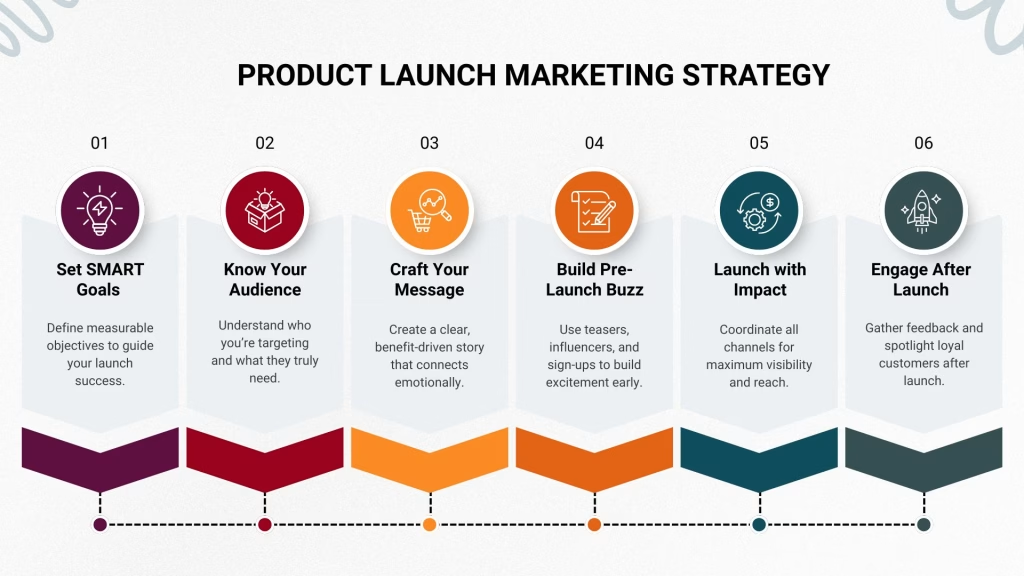
Here’s a step-by-step roadmap:
Define Goals and Success Metrics
Decide what success looks like. Is it revenue, sign-ups, market share, or media coverage? Setting SMART goals (specific, measurable, achievable, relevant, time-bound) keeps your team aligned and focused.
Know Your Audience
Research your ideal customers and their pain points, behaviors, and buying triggers. The more clearly you understand them, the sharper your messaging will be.
Craft a Compelling Story
Your product isn’t just a list of features. It’s a solution to a problem. Develop a positioning statement and brand story that makes people care. This narrative should be consistent across every channel.
Build Pre-Launch Excitement
Momentum starts early. Consider tactics like:
- Teaser videos and sneak peeks
- A waitlist or pre-order campaign
- Influencer partnerships and beta testers
- Email sequences that nurture anticipation
Plan Launch-Day Activities
Your launch moment should feel like an event, not just an announcement. Use a mix of:
- Live demos or webinars
- Coordinated social media posts and hashtags
- Press releases and PR outreach
- Paid ads to amplify reach
Engage After the Launch
Don’t vanish once the product is out. Keep the energy alive through:
- Sharing testimonials and user-generated content
- Offering tutorials, guides, or follow-up webinars
- Running referral or loyalty programs
Measure and Optimize
Track KPIs like website traffic, conversions, customer feedback, and social engagement. Use the data to refine campaigns and prepare for the next launch.
When combined, these steps form a product launch marketing plan that not only drives awareness but also creates a loyal customer base ready to advocate for your product.
Choosing the Right Time for Product Launch
Even the best product launch marketing strategy can fail if timing is off. Too early, and the product isn’t ready; too late, and competitors take the lead.
- Market Readiness: Launch when customers are aware of the problem and looking for solutions.
- Product Readiness: Ensure testing and feedback confirm your product is polished.
- Seasonal & Industry Cycles: Align with demand peaks, holidays for consumer goods, and fiscal resets for B2B.
- Competitive Landscape: Avoid clashing with major competitor launches.
- Internal Alignment: Make sure all teams, sales, marketing, and support are prepared.
The “right time” isn’t just a date; it’s when market demand, product quality, and team readiness align.
Examples of Successful Product Launches
Sometimes the best way to understand a product launch marketing strategy is to see it in action. Here are a few standout cases that show how different approaches can lead to massive success.
Apple – Building Anticipation Like No Other
Apple has mastered the art of storytelling and secrecy. Every iPhone launch feels like a cultural event because Apple teases features, controls leaks, and creates media hype months in advance. Their strategy focuses on scarcity and desire, making customers line up before stores even open.
Takeaway: Don’t just launch, create a narrative that makes people feel they need to be part of it.
Tesla – Turning Customers Into Evangelists
Tesla doesn’t spend much on traditional advertising. Instead, it relies on community buzz, social media, and CEO-driven announcements. The company leverages pre-orders and referral programs to build anticipation and loyalty.
Takeaway: A strong community can be more powerful than a huge ad budget.
Dropbox – The Viral Loop Strategy
When Dropbox launched, they didn’t have millions to spend on ads. Instead, they offered extra free storage space to users who referred friends. This marketing strategy for product launch turned customers into ambassadors and fueled exponential growth.
Takeaway: Incentivize sharing to transform your users into your sales team.
Nike – Event-Driven Launches
Nike often ties product launches to major cultural or sporting events. By aligning with peak attention moments, they maximize visibility and relevance. Learn more about the marketing strategies of Nike here.
Takeaway: Timing your launch around events your audience cares about can dramatically amplify results.
These product launch strategy examples prove there’s no one-size-fits-all approach. What matters is choosing tactics that align with your brand, audience, and product strengths.
Conclusion
A winning product launch marketing strategy is more than a one-day event; it’s a mix of smart timing, clear messaging, and consistent engagement. By knowing your audience, building pre-launch buzz, and keeping momentum alive after launch day, you set your product up for long-term success.
From Apple’s hype-driven rollouts to Dropbox’s viral growth, the best product launch strategy examples prove one thing: preparation and strategy matter more than luck.
If you’re planning a marketing strategy for a product launch, start with these steps, adapt them to your market, and turn your next launch into a lasting success.
FAQs
1. How do you create buzz before product launch?
Use teasers, countdowns, exclusive previews, early-access lists, and influencer partnerships to build anticipation.
2. What if my product launch doesn’t perform well?
Analyze the data, identify bottlenecks, optimize messaging, and relaunch with improved targeting or incentives.
3. What content works best during a product launch?
Short videos, tutorials, teaser posts, demos, testimonials, and behind-the-scenes content usually capture attention and build trust quickly.
4. How do I build trust before launching a new product?
Share beta feedback, testimonials, transparent updates, and proof of results to show credibility and reduce buyer hesitation.
5. What’s the biggest mistake in product launches?
Launching without audience research leads to weak messaging, poor engagement, and low conversions.