


Patients aren’t just walking into clinics anymore; they’re walking into Google first. Whether it’s searching for “best dermatologist near me” or looking up symptoms late at night, the patient journey often begins online. That shift has transformed how medical practices connect with people.
This is where content marketing for doctors comes in. By sharing useful, trustworthy, and easy-to-understand information, healthcare providers can position themselves as reliable guides.
As 88% of patients prefer receiving medical information directly from their doctor, and 83% trust their healthcare provider and the information they share. Instead of cold advertising, content builds relationships, helping patients feel informed before they ever step into your office.
In this blog, we’ll explore why content matters in healthcare, what types of content work best for doctors, which platforms to focus on, and the benefits that come with creating the right digital presence.
Content Marketing in Healthcare
Content marketing in healthcare isn’t about flashy slogans or pushy ads. It’s about education, clarity, and trust. Patients often feel anxious or confused when searching for health information online. When doctors publish reliable content, they not only ease those concerns but also create meaningful connections.
At its core, doctor content marketing is the process of creating and sharing valuable information that answers patient questions. Instead of simply telling people to book an appointment, you guide them through their concerns, whether it’s explaining treatment options, offering prevention tips, or clarifying misconceptions.
For example, a cardiologist might write an article on “early signs of heart disease,” while a pediatrician could record a short video on managing seasonal allergies in kids. These aren’t sales pitches; they’re resources patients genuinely need.
Why Content Marketing for Doctors is Needed?
- Patients are searching online first. Nearly 77% of people look for health information on Google before consulting a professional.
- Trust is everything. Sharing expert-backed content positions you as an authority, making it more likely that patients choose your practice.
- It humanizes healthcare. Helpful blogs, videos, and posts show that you care beyond the exam room.
In short, content marketing for healthcare is the digital version of patient education. In 2022, healthcare content achieved a 63% average finish rate, indicating strong patient engagement with educational materials. Done well, it bridges the gap between curiosity and care, leading patients straight to your clinic doors.
Types of Content Doctors Can Create
The beauty of content marketing for doctors is its flexibility. You don’t need to create every type of content at once; you can choose the formats that fit your strengths and your patients’ needs.
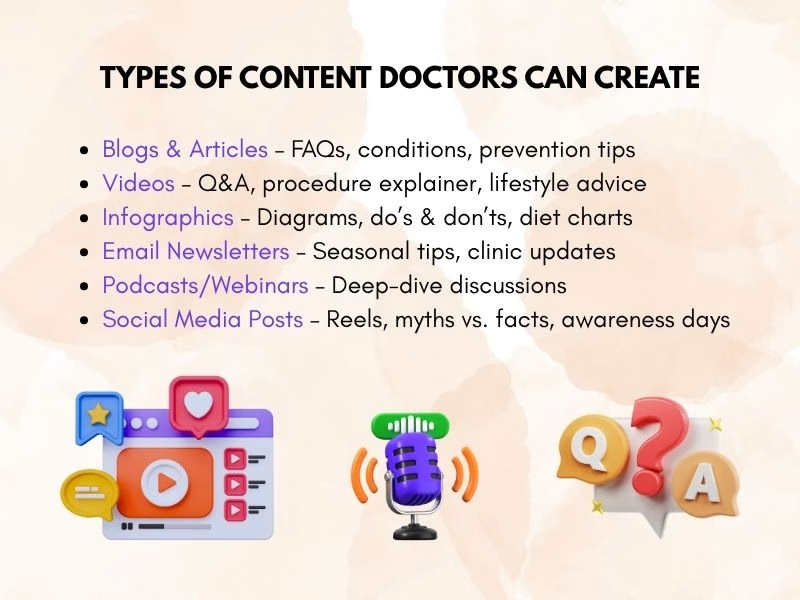
Here are some powerful options:
Blog Articles and Educational Guides
Writing for doctors doesn’t have to mean dense medical jargon. Patients want clarity, not complexity. Blog posts and articles answering common questions like “What causes back pain?” or “How to prepare for a knee replacement” perform well because they provide immediate value.
Quick tips for medical blogging:
- Keep language simple and patient-friendly.
- Address FAQs you hear in your practice.
- Add clear takeaways patients can use in daily life.
Short and Long-Form Videos
Video content feels personal. In content marketing for doctors, short-form content like a two-minute clip explaining how to check blood pressure at home can build more trust than a banner ad. Doctors who use video often see higher engagement on social media and their websites.
Ideas for healthcare videos:
- Myth vs. fact series (e.g., “Can you really catch a cold from being outside in winter?”).
- Behind-the-scenes clinic introductions.
- Step-by-step prevention tips for common conditions.
Infographics and Visual Content
Healthcare is full of complex terms. Infographics simplify it. Whether it’s a “food plate for diabetics” or “stages of tooth decay,” visuals help patients understand quickly. Visual aids in health education can improve patient comprehension and retention by up to 40%.
Email Newsletters
A monthly newsletter keeps your practice top of mind. Share seasonal health advice (“Flu prevention in winter”), appointment reminders, or updates about new services. Patients appreciate practical, digestible tips arriving in their inbox.
Podcasts and Webinars
For doctors, comfortable with longer conversations, podcasts, and webinars are valuable tools in content marketing for doctors. They allow you to explore detailed topics, interview other professionals, and connect with patients who prefer listening to information.
Social Media Posts
Platforms like Instagram, Facebook, and TikTok are effective channels in content marketing for doctors. Sharing quick health tips or celebrating awareness days helps humanize your practice and engage patients.
The key is consistency. Whether you publish weekly blogs or monthly videos, regular content shows patients you’re active, approachable, and invested in their health. Consistent content boosts patient engagement; 83% of healthcare organizations say it’s key for better outcomes.
Platforms & Channels for Distribution
Creating great content is only half the job. In content marketing for doctors it is equally important to share content on the right platforms where patients are already spending their time. Choosing the right mix of channels ensures your efforts reach both new and existing patients effectively.
Your Website & Blog
Your website is the digital front door of your practice. Publishing blogs, guides, and FAQs there builds a library of resources patients (and Google) can trust. Optimized articles not only rank for search queries but also showcase your expertise when patients are researching conditions.
42% of patients are more likely to book appointments with healthcare providers who offer relevant, optimized content, boosting both visibility and trust
Google Business Profile
For local practices, maintaining a Google Business Profile is essential. In content marketing for doctors, regularly updating your profile with fresh posts helps you appear when patients search for services like pediatrician near me or best dentist in your city and connects your content directly to patient searches.
Social Media Platforms
Different platforms serve different purposes:
- Facebook: great for community updates and educational posts.
- Instagram: perfect for visual infographics, Reels, and stories.
- YouTube: excellent for long-form content videos and procedure explanations.
- TikTok: growing space for short, engaging medical tips.
- LinkedIn: ideal for thought leadership and professional networking.
Email Marketing
Email remains one of the most personal ways to connect. 64% of healthcare providers prefer email for sharing publications, up from 61% in 2020. A monthly newsletter with tips, reminders, and updates keeps your name familiar to patients, encouraging loyalty and return visits.
Online Health Communities
Webinars, live Q&As, and collaborations with local organizations are effective strategies in content marketing for doctors. Engaging with digital communities enhances your reputation as a trusted voice in healthcare.
Benefits of Content Marketing for Doctors
When done right, content marketing for doctors pays off far beyond clicks and likes. For instance, medical device companies have achieved a 3-year average ROI of 1,344%, with Year 3 ROI reaching 2,033% with content marketing.
It can transform how patients see your practice and how they choose their healthcare providers. Here are the most impactful benefits:
Builds Trust and Authority
Patients want to feel confident in their doctor’s expertise before booking an appointment. Content marketing for doctors through clear, accurate, and helpful content positions you as a trusted authority and builds patient loyalty.
Increases Online Visibility
Google rewards fresh, useful content. A well-optimized blog post on “how to manage migraines” can rank for months, attracting new visitors to your website every day. This is why doctor content marketing is more cost-effective in the long run than traditional ads.
Educates and Empowers Patients
Health literacy is a growing need. Patients who understand their conditions are more likely to follow treatment plans and feel satisfied with their care. By providing easy-to-digest content, you improve patient outcomes while reducing misunderstandings.
Strengthens Patient Relationships
Content keeps the conversation going outside the clinic. A seasonal newsletter about flu prevention or an Instagram post celebrating World Heart Day shows patients you care year-round, not just during appointments.
Drives More Appointments and Referrals
Visibility + trust = action. When patients see your name repeatedly in their online searches or social feeds, you become the natural choice when they need care. They’re also more likely to recommend your practice to friends and family.
Provides Long-Term ROI
Unlike paid ads that stop once the budget runs out, content keeps working for you. A single well-written article or video can generate traffic, build trust, and bring in patients for years.
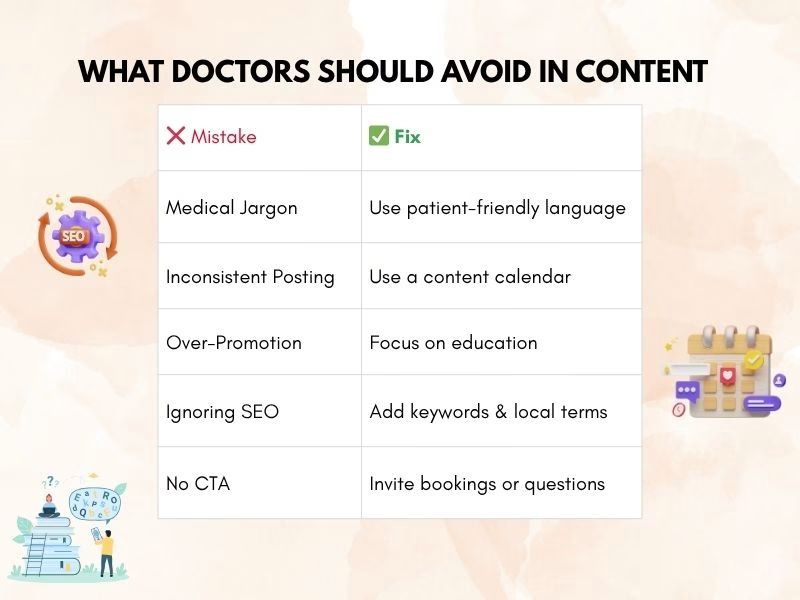
Also, avoiding common content mistakes is crucial for success. Doctors should use simple language, post consistently, focus on education, optimize for SEO, include clear calls-to-action, and share only accurate information. Following these practices ensures content marketing for doctors builds trust, engages patients, and drives meaningful results.
Conclusion
Healthcare has always been about trust, and in today’s digital landscape, that trust often starts online. Content marketing for doctors is more than a marketing trend; it’s a modern form of patient education, relationship building, and practice growth.
By sharing useful blogs, videos, infographics, and newsletters, you’re doing more than filling a website. You’re answering real questions, easing patient concerns, and showing that your expertise extends beyond the exam room. Over time, this consistency builds a reputation that patients and search engines recognize.
If you’re just starting, pick one format and one channel. Maybe a monthly blog post, a quick Instagram video, or a short newsletter. The key is not perfection, but persistence. Small, steady steps can position your practice as a trusted voice in healthcare.
Your patients are already searching for answers. The question is will they find them on your site, or somewhere else? Start investing in content now, and let your expertise be the guide they follow.
FAQs
1. How does content marketing improve patient retention?
Providing valuable information outside the clinic keeps patients engaged and informed, increasing loyalty. Newsletters, follow-up tips, and educational posts encourage repeat visits and positive word-of-mouth.
2. Why is content marketing important for a medical practice?
Patients increasingly search online before booking appointments. Content marketing helps doctors build trust, establish authority, educate patients, and ultimately drive more appointments and referrals.
3. How often should doctors publish content?
Consistency is more important than volume. Even one blog post per month or a short weekly video can make a difference. The key is to maintain a regular schedule that patients and search engines recognize.
4. Can content marketing work for small practices?
Yes! Small practices can gain a competitive edge by creating niche, patient-focused content. Even local blogs, social posts, or email tips can attract nearby patients and build authority.
5. How do I make content HIPAA-compliant?
Avoid sharing any patient-identifiable information without consent. Use general examples, anonymize case studies, and ensure all images or videos comply with privacy rules.