


Journaling isn’t just scribbling in a notebook; it’s a purposeful way to capture your thoughts, reflect on your experiences, and track personal growth. But what is journal writing, exactly? At its heart, it’s the act of putting pen to paper (or fingers to keyboard) to explore your mind, record insights, and clarify emotions.
Whether you want to reduce stress, spark creativity, or stay organized, journal writing can help. From beginners to seasoned writers, anyone can benefit from understanding how journal writing works, the types you can try, and how to make it a sustainable habit.
What is Journaling?
Journaling definition can feel broad, but it boils down to one simple idea: writing regularly to process your thoughts, feelings, and experiences. Unlike casual diary entries, journal writing encourages reflection, insight, and self-awareness. Journaling reduces stress by up to 37% when practiced regularly.
Why do people journal?
Here’s how journal writing helps:
- Self-discovery: Helps identify patterns in thoughts, habits, and behaviors.
- Emotional clarity: Offers an outlet for feelings, reducing stress and anxiety.
- Goal tracking: Keeps you accountable to personal or professional milestones.
- Creativity boost: Sparks new ideas, solutions, or artistic inspiration.
Many wonder about the difference between journaling and diary writing. While both involve writing about daily life, journaling vs diary writing lies in intent. A diary often records events, whereas journal writing emphasizes reflection, learning, and personal growth.
Types of Journaling: Finding the Right Style for You
Journal writing isn’t one-size-fits-all. Different types of journaling serve different purposes, so you can choose a style that fits your goals, personality, or mood.
Here are some popular types of journaling to explore:
1. Personal Journals
These focus on daily reflections, thoughts, and emotions. They help you understand yourself better and process experiences.

Example: Writing about your day’s highs and lows to track emotional patterns.
2. Gratitude Journals
This style centers on appreciation. Listing things you’re grateful for can boost positivity and mental well-being. Participants with high gratitude scores had a 9% lower risk of death over 4 years.

Example: Writing three things you’re thankful for each morning.
3. Bullet Journals
Bullet journaling combines organization and reflection. It tracks tasks, habits, and goals while allowing space for self-expression.
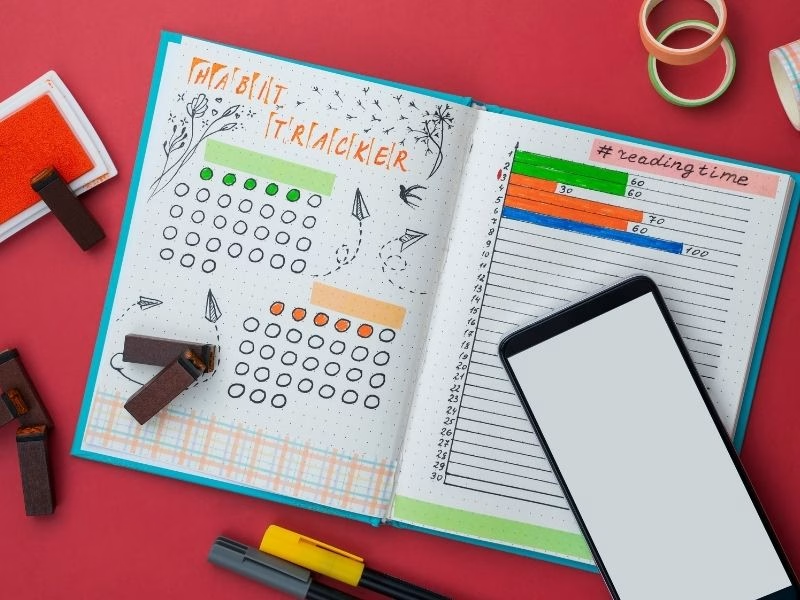
Example: Creating daily task lists alongside notes on personal achievements.
4. Dream Journals
Recording dreams can provide insight into your subconscious mind and spark creativity.

Example: Writing down your dreams immediately after waking to explore recurring themes.
5. Travel Journals
Ideal for capturing experiences on the go, travel journals mix storytelling, sketches, and memories.

Example: Documenting your favorite sights, meals, and local experiences on a trip.
6. Art Journals
Art journaling combines visuals with writing, helping express emotions creatively. Art therapy (including art journaling) led to a 73% reduction in symptoms of anxiety, depression, and stress.

Example: Sketching or doodling feelings and pairing them with short reflections.
7. Therapeutic Journals
Used for mental health and emotional healing, therapeutic journaling helps process trauma or stress.

Example: Writing letters to yourself to release emotions or track progress during therapy.
By experimenting with different journal examples, you can find the type that resonates with you. Many people combine multiple styles, like using a bullet journal for organization and a gratitude journal for emotional clarity.
Journal Writing Benefits and Why Journaling Matters?
Journal writing offers more than a place to vent; it impacts your mind, emotions, and even daily productivity. Understanding how journaling helps can motivate you to make it a consistent habit.
1. Mental Health Benefits
Writing regularly clears mental clutter. Journaling can:
- Reduce stress and anxiety by providing a safe space for your thoughts.
- Improve focus and clarity, helping you make better decisions.
- Encourage mindfulness by keeping yourself present with your emotions and experiences.
2. Emotional Benefits
Journaling provides a private space to process feelings. 75% of people find journaling helps them gain clarity and focus. It can:
- Release pent-up emotions and reduce emotional overwhelm.
- Increase emotional intelligence by helping you recognize patterns in reactions.
- Strengthen self-awareness, allowing for healthier responses to challenges.
3. Cognitive and Personal Growth Benefits
Beyond emotions, journaling supports growth. It can:
- Enhance problem-solving and creative thinking.
- Track progress toward goals, helping you stay accountable.
- Encourage reflection, which can improve learning and memory retention.
4. Physical Benefits
While journaling is primarily mental, studies suggest it can:
- Reduce stress-related symptoms like headaches or insomnia.
- Improve overall well-being by encouraging healthy coping strategies.
With these journal writing benefits, it’s clear why so many people make journaling a daily practice. Whether you want emotional release, mental clarity, or personal growth, journaling provides tangible results.
Effective Journal Writing Techniques to Explore
Journal writing can take many forms, and exploring different techniques helps you find a style that resonates. Here are some effective approaches:
- Free Writing
Write continuously for a set time without worrying about grammar or structure. This helps uncover subconscious thoughts and clears mental clutter.
Example: Spending 10 minutes writing whatever comes to mind about your day.
- Reflective Journaling
Focus on analyzing experiences and extracting lessons. This technique encourages self-awareness and growth.
Example: Reflecting on a difficult conversation and writing what you learned from it.
- Prompted Journaling
Use questions or prompts to guide your writing. Prompts make it easier to start and keep entries meaningful.
Example: “What am I proud of today?” or “What challenge taught me something valuable?”
- Bullet Journaling
Organize thoughts, tasks, and goals with concise entries. Combines productivity with self-reflection.
Example: Tracking daily habits alongside personal reflections.
- Dream Journaling
Record dreams immediately after waking to explore subconscious ideas and patterns.
- Art Journaling
Combine sketches, doodles, or visuals with written reflections for creative expression.
- Therapeutic Journaling
Focused on mental health and emotional healing, this method helps process emotions or track therapy progress.
These techniques allow you to experiment with how journaling is done and find methods that best suit your personality, goals, and creativity.
How to Start Journal Writing?
Starting a journal writing practice can feel intimidating, but clear steps make it easy to begin:
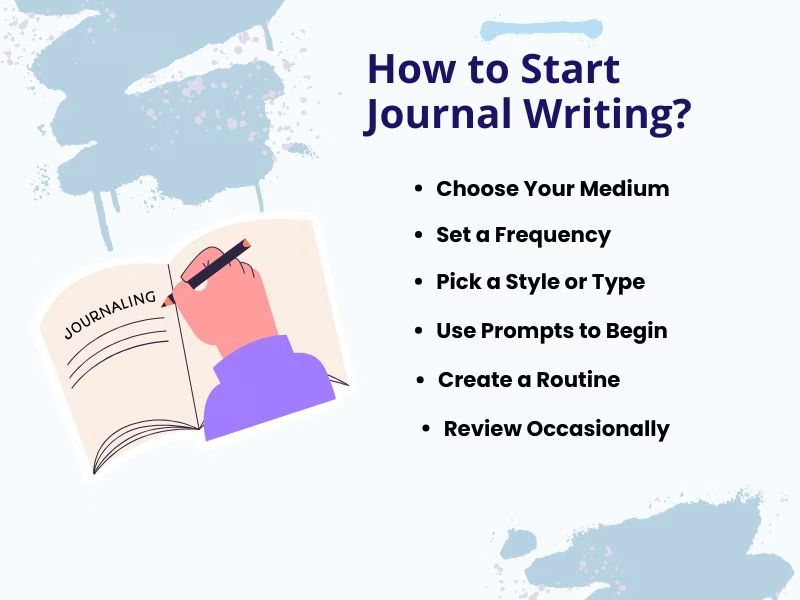
Choose Your Medium
Decide between a paper notebook and a digital journal. Paper offers a tactile experience, while digital journals provide convenience and searchability.
Set a Frequency
Decide how often you want to write: daily, weekly, or as needed. Consistency is more important than duration.
Pick a Style or Type
Choose a type of journaling that matches your goals: personal, gratitude, bullet, travel, or art journaling.
Use Prompts to Begin
Prompts help overcome blank-page anxiety and keep entries focused. Using structured journal prompts reduced anxiety symptoms by up to 42% in 8 weeks.
Example prompts:
- “Three things I’m grateful for today”
- “One challenge I faced and what I learned”
Create a Routine
Tie journaling to an existing habit, such as morning coffee or bedtime. Small, consistent sessions are more effective than long, irregular ones.
Review Occasionally
Reflecting on past entries can highlight progress, reveal patterns, and motivate continued journaling.
These steps help beginners start journaling effectively and turn it into a lasting habit without feeling overwhelmed.
Conclusion
Journal writing is more than just a daily task; it’s a tool for clarity, creativity, and personal growth. Whether you’re exploring different techniques, reflecting on emotions, or tracking goals, consistent journal writing provides tangible mental and emotional benefits.
By understanding what is journaling writing, experimenting with types of journaling, and applying practical tips, anyone can make journaling a meaningful habit. From stress relief to enhanced self-awareness, the advantages are clear and long-lasting.
Pick a journal, set aside a few minutes, and let your thoughts flow. Even small steps lead to powerful results over time. Your journal can become your private space for reflection, discovery, and growth.
FAQs
1. What is journal writing, and why is it beneficial?
Journal writing is the practice of recording your thoughts, feelings, and experiences regularly. It helps you process emotions, reflect on life events, and track personal growth. Studies show journaling can reduce stress, improve mental clarity, and strengthen self-awareness.
2. How often should I journal daily or weekly?
There’s no strict rule, but consistency is key. Many people benefit from journaling daily, even if just for 5–10 minutes. Others prefer weekly reflections. Start with a routine that feels manageable and adjust as you build the habit.
3. What types of journal writing are popular or effective?
Popular journaling styles include gratitude journaling to boost positivity, bullet journaling for tasks and goals, stream-of-consciousness for free expression, reflective journaling for learning from experiences, and art journaling that combines writing with visuals. Choose the style that fits your goals.
4. What should I write when I feel “blocked” or don’t know what to journal about?
When stuck, try prompts like “What am I grateful for today?” or “How do I feel right now?” You can also write freely, make lists, or doodle. The goal is to start without pressure and let ideas flow naturally.
Most people keep journals private, which encourages honesty and vulnerability. However, sharing select entries (such as creative reflections or gratitude lists) with friends, mentors, or a community can spark connection and accountability. Ultimately, it depends on your comfort level.